Plants we currently offer
(and tips for keeping them happy)
Click on an image to learn more
(click an image to learn more)



Esperanza Care Tips for Central Texas
Light: Thrives in full sun; blooms best with 6–10 hours of direct light.
Water: Drought‑tolerant once established. Water weekly during the first growing season, then only during extended dry spells.
Soil: Prefers well‑drained soil; tolerates rocky, alkaline Central Texas conditions.
Heat: Excellent heat performer; handles 100°F+ without stress.
Fertilizer: Not required. Optional light feeding in spring for extra blooms.
Pruning: Cut back in late winter to shape and encourage vigorous new growth.
Cold: May die back to the ground in hard freezes but reliably returns in spring.
Pests: Generally pest‑free; occasional leaf scorch from reflected heat.
Bloom Time: Late spring through fall with continuous clusters of bright yellow flowers.
Switchgrass Care Tips for Central Texas
Light: Prefers full sun; stays upright and performs best with 6–10 hours of direct light.
Water: Very drought‑tolerant once established. Water weekly during the first season, then only during extended dry periods.
Soil: Thrives in well‑drained soils including clay, limestone, and sandy loam common in Central Texas.
Heat: Excellent heat performer; handles 100°F+ with ease. Fertilizer: Not needed; native grass that grows well without added nutrients.
Pruning: Cut back in late winter to 6–12 inches before spring growth begins.
Cold: Fully hardy; goes dormant in winter and returns each spring.
Pests: Rarely affected by pests; occasional flopping indicates too much shade or water.
Seasonal Interest: Upright foliage and airy seed heads provide year‑round structure and wildlife value.
Big Bluestem Care Tips For Central Texas
Big Bluestem is a hardy native prairie grass that grows well in Central Texas with full sun and well‑drained soil.
Sunlight: Plant in full sun for strongest growth and upright form.
Soil: Prefers well‑drained sandy or loamy soil but tolerates clay if drainage is good.
Watering: Water regularly during establishment. Once mature, big bluestem is drought‑tolerant and only needs occasional deep watering during long dry periods.
Spacing: Allow plenty of room. Mature clumps can reach 3–6 feet tall and spread several feet wide.
Maintenance: Cut back old growth in late winter or early spring before new shoots emerge.
Fertilizing: Generally not needed. Excess fertilizer can cause weak, floppy growth.
Wildlife Value: Provides excellent habitat and food for birds, pollinators, and beneficial insects.
Aloe Vera Care Tips For Central Texas
Aloe vera grows well in Central Texas with proper sun, soil, and watering.
Sunlight: Give the plant 4–6 hours of bright morning sun and protect it from harsh late‑afternoon summer heat.
Soil: Use fast‑draining soil such as cactus mix or a blend of potting soil with pumice or perlite. Avoid heavy clay.
Watering: Water deeply but only when the soil is completely dry. In summer this is usually every 2–3 weeks; in winter about once a month.
Containers: Terracotta pots help prevent root rot by allowing excess moisture to evaporate.
Winter Protection: Aloe vera is damaged below 28°F. Bring potted plants indoors during freezes or cover outdoor plants.
Fertilizing: Feed lightly once in spring with a diluted succulent fertilizer.
Propagation: Remove and replant pups to keep the main plant healthy and produce new aloe plants.
Sugarcane Care Tips For Central Texas
Sugarcane grows well in Central Texas when given full sun, rich soil, and consistent moisture.
Sunlight: Plant in full sun for the strongest growth and highest sugar production.
Soil: Prefers deep, fertile, well‑drained soil with plenty of organic matter.
Watering: Keep soil consistently moist, especially during hot summer months. Sugarcane needs regular deep watering to grow tall and healthy.
Spacing: Plant stalks or cuttings about 3–4 feet apart to allow room for mature clumps.
Fertilizing: Apply a balanced fertilizer in spring and midsummer to support vigorous growth.
Maintenance: Remove dead or weak canes and keep the area weed‑free. Cut back the plant after harvest to encourage new shoots.
Cold Protection: Sugarcane is sensitive to freezing temperatures. Mulch heavily or protect during hard freezes to prevent damage.
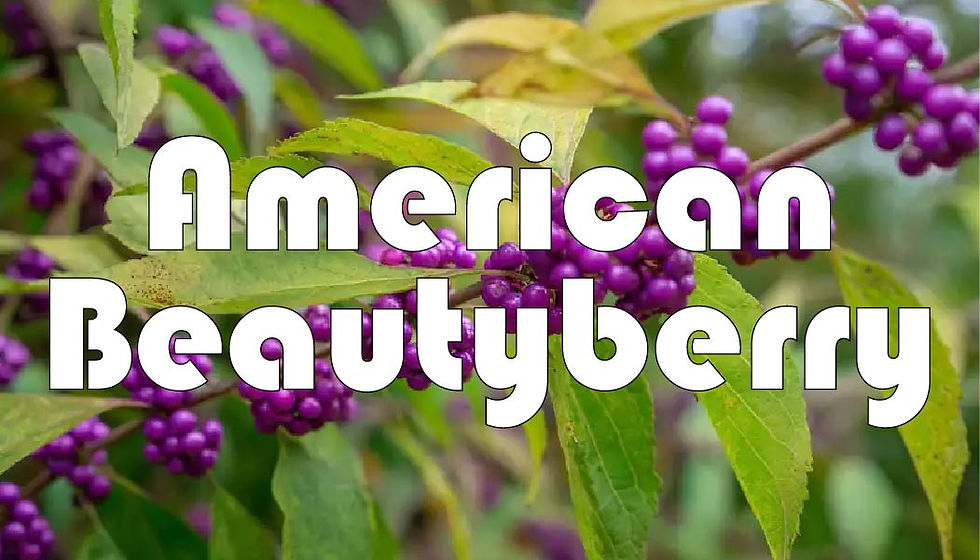
American Beautyberry Care Tips For Central Texas
American beautyberry is a hardy native shrub that grows well in Central Texas with partial shade and moderate moisture.
Sunlight: Prefers partial shade but can tolerate full sun if watered regularly.
Soil: Grows best in well‑drained soil rich in organic matter but adapts to most Central Texas soils.
Watering: Water regularly during the first year to establish strong roots. Once mature, it is moderately drought‑tolerant but benefits from occasional deep watering during long dry periods.
Spacing: Plant shrubs 3–5 feet apart to allow room for natural spreading.
Maintenance: Prune in late winter to early spring to shape the plant and encourage fuller growth.
Cutting it back hard can increase berry production.
Fertilizing: Usually not necessary. A light application of compost in spring is sufficient.
Wildlife Value: Produces clusters of bright purple berries that attract birds and pollinators and provide excellent habitat value.
American beautyberry leaves have been traditionally used as a natural mosquito repellent. When crushed, the leaves release compounds that help deter mosquitoes.
Mexican Beautyberry Care Tips For Central Texas
Mexican beautyberry is a drought‑tolerant native shrub that grows well in Central Texas with partial shade and well‑drained soil.
Sunlight: Prefers partial shade but can tolerate full sun if watered during extreme heat.
Soil: Thrives in well‑drained, moderately fertile soil and adapts to both sandy and clay soils.
Watering: Water regularly during the first growing season. Once established, it is more drought‑tolerant than American beautyberry but still benefits from occasional deep watering.
Spacing: Plant shrubs 4–6 feet apart to allow room for their naturally arching form.
Maintenance: Prune in late winter or early spring to shape the plant and encourage vigorous new growth.
Fertilizing: Usually unnecessary. A light layer of compost in spring is enough to support healthy growth.
Wildlife Value: Produces clusters of berries that attract birds and pollinators and provides excellent habitat for native wildlife.
Anise Hyssop Care Tips For Central Texas
Anise hyssop is a hardy, aromatic perennial that grows well in Central Texas with full sun and well‑drained soil.
Sunlight: Prefers full sun but tolerates light afternoon shade during extreme heat.
Soil: Thrives in well‑drained soil and handles poor or rocky soils well. Avoid heavy, waterlogged areas.
Watering: Water regularly during establishment. Once mature, anise hyssop is drought‑tolerant and only needs occasional deep watering.
Spacing: Plant 1–2 feet apart to allow room for bushy growth and good air circulation.
Maintenance: Cut back spent flower stalks to encourage more blooms. Trim the plant to the ground in late winter before new growth appears.
Fertilizing: Generally not needed. Too much fertilizer can reduce flavor and aroma.
Wildlife Value: Highly attractive to bees, butterflies, and hummingbirds, making it an excellent pollinator plant.
Anise hyssop leaves have a naturally sweet, licorice‑mint flavor that makes them excellent for human consumption. The fresh or dried leaves are commonly used to make soothing herbal teas, and they can also be added to salads, desserts, and other dishes for a mild, aromatic sweetness.
Marigold Care Tips For Central Texas
Marigolds are hardy, sun‑loving annuals that grow easily in Central Texas with minimal care.
Sunlight: Plant in full sun for the best flowering and compact growth.
Soil: Prefers well‑drained soil and tolerates poor or rocky soils. Avoid consistently wet areas.
Watering: Water regularly during establishment. Once mature, marigolds are drought‑tolerant and only need occasional deep watering.
Spacing: Plant 8–18 inches apart depending on the variety to allow good air circulation.
Maintenance: Remove spent blooms to encourage continuous flowering. Trim leggy growth if needed.
Fertilizing: Use minimal fertilizer. Too much nitrogen reduces blooms and increases foliage.
Pest Resistance: Naturally repels some garden pests and is often used as a companion plant.
Spearmint Care Tips For Central Texas
Light: Prefers morning sun and afternoon shade to stay healthy in Central Texas heat. Full sun can cause wilting and leaf scorch.
Water: Keep soil consistently moist. Spearmint dries out quickly in hot weather, so regular watering is essential, especially in containers.
Soil: Grows best in rich, well‑drained soil with plenty of compost. Moisture retention is important, but avoid soggy conditions.
Container growing: Highly recommended; spearmint spreads aggressively through runners and can take over garden beds.
Pruning: Pinch or trim regularly to encourage bushy growth and maintain strong flavor. Remove flower buds to keep leaves tender.
Heat protection: Mulch around the base and provide shade during extreme heat waves to prevent stress.
Winter — Perennial in Central Texas; may die back in winter but reliably returns in spring.
Crossvine Care Tips For Central Texas
Light: Prefers full sun for the best flowering, though it tolerates partial shade. More sun produces heavier spring blooms and stronger growth.
Water: Water regularly during the first growing season to establish deep roots. Once established, crossvine becomes drought‑tolerant but benefits from occasional deep watering during long dry spells.
Soil: Thrives in well‑drained, loamy or sandy soil. Amend heavy clay with compost to improve drainage and root health.
Growth Habit: A vigorous, tendril‑climbing vine that can reach 30–50 feet. Requires a sturdy support such as a fence, arbor, or trellis.
Pruning: Prune in late winter to shape the vine and remove winter damage. Light trimming after flowering helps manage size and encourages new growth.
Fertilizing: Needs minimal feeding. Apply a light, balanced fertilizer in early spring only if growth appears weak. Excess nitrogen reduces flowering.
Heat Tolerance: Well‑adapted to Central Texas heat. Afternoon shade is optional but can reduce stress during extreme heat waves.
Winter Behavior: Semi‑evergreen in Central Texas. May drop some leaves in colder winters but reliably rebounds in spring.
Wildlife: Highly attractive to hummingbirds and pollinators due to its trumpet‑shaped flowers.